
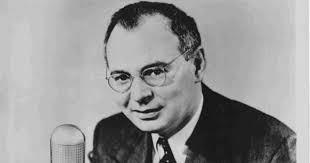
The Elman Hypnotic Induction
The Dave Elman hypnotic induction is one of the most well-known and widely used methods in modern hypnotherapy. Developed by Dave Elman in the mid-20th century, this approach is valued for its speed, effectiveness, and structured progression into deep hypnosis. Many professional hypnotherapists use variations of the Elman induction because it can help clients enter a focused and relaxed hypnotic state quickly and comfortably.
What Makes the Elman Induction Unique?
Unlike slower relaxation-based inductions, the Elman method is direct and interactive. It combines physical relaxation, mental focus, suggestion, and testing to deepen trance efficiently. The induction is designed to bypass conscious analysis and encourage the subconscious mind to become more receptive to positive therapeutic suggestions.
The Elman induction is often described as:
Rapid and efficient
Structured and systematic
Interactive between therapist and client
Suitable for therapeutic and medical hypnosis
Effective for deep trance work
The Main Stages of the Elman Induction
1. Eye Relaxation
The induction usually begins by asking the client to focus on relaxing the muscles around the eyes so completely that the eyes simply do not want to open. This creates an early experience of hypnotic response and cooperation.
2. Progressive Physical Relaxation
Once eye relaxation is achieved, relaxation is spread throughout the entire body. Clients are guided to release tension from head to toe, often accompanied by slow breathing and calming suggestions.
3. Mental Relaxation
The therapist then deepens hypnosis by engaging the mind in simple mental tasks such as counting down numbers or imagining descending stairs or elevators. These techniques help reduce analytical thinking and increase inward focus.
4. Deepening Techniques
The Elman induction often uses fractionation — briefly bringing the client closer to alertness and then guiding them deeper again. This process can significantly deepen trance rapidly.
5. Somnambulistic State
One goal of the Elman method is reaching a somnambulistic level of hypnosis, a deep state where therapeutic suggestions, imagery, emotional processing, and subconscious learning may become more effective.
Why Therapists Use the Elman Induction
The Elman induction is commonly used in:
Anxiety and stress management
Smoking cessation
Pain management
Confidence building
Habit control
Trauma support
Performance enhancement
Medical and dental hypnosis
Because the process is structured and responsive, therapists can adapt it to the needs and comfort level of each individual client.
The Role of Suggestion
A key element of the Elman induction is the skillful use of suggestion. The hypnotist guides the client’s attention inward while encouraging relaxation, imagination, and focused awareness. Positive suggestion during hypnosis may help support changes in thoughts, emotions, habits, and behaviours.
Hypnosis Is a Cooperative Process
The Elman induction does not involve mind control or unconsciousness. Clients remain aware and able to respond throughout the process. Hypnosis is best understood as a state of focused attention and heightened responsiveness where the mind becomes more open to constructive therapeutic work.
Modern Applications
Today, variations of the Elman induction are taught internationally in hypnotherapy training programs and are widely used by clinical hypnotherapists, psychologists, dentists, and medical professionals who incorporate hypnosis into their practice.
The enduring popularity of the Elman induction comes from its practical effectiveness, flexibility, and ability to help clients experience deep relaxation and focused inner awareness in a relatively short period of time.
for more information fill ut our contact form below